Forex markets move over five trillion dollars every single day, making them both enticing and unforgiving for traders around the world. Think that profit is all about predicting the next big swing? The real surprise is that most losses happen not from bad picks, but from skipping proper risk management. Professional traders rarely risk more than 1-2 percent of their capital on a single trade. That tiny detail is often the deciding line between a wiped-out account and lasting success.
Table of Contents
- What Is Forex Risk Management And Its Importance?
- Key Concepts In Forex Risk Management Explained
- Types Of Risks In Forex Trading And Their Impacts
- Strategies For Effective Forex Risk Management
- The Role Of Risk Management In Trading Psychology
Quick Summary
| Takeaway | Explanation |
|---|---|
| Implement strict position sizing | Position sizing helps limit individual trade losses and ensures sustainable trading practices. |
| Limit risk to 1-2% per trade | Adhering to this rule protects capital and allows for recoveries from multiple losses. |
| Use stop loss and take profit orders | Automating exits based on predetermined levels minimizes emotional decision-making and secures profits. |
| Diversify trading strategies and assets | Spreading investments across various currency pairs reduces the impact of poor trade performance. |
| Recognize the impact of emotional control | Effective risk management enhances emotional stability, reducing impulsive decisions during market volatility. |
What is Forex Risk Management and Its Importance?
Forex risk management represents a systematic approach traders use to identify, assess, and mitigate potential financial losses in currency trading markets. Understanding and implementing effective forex risk management strategies is crucial for protecting investment capital and ensuring long term trading sustainability.
The Core Purpose of Risk Management
At its fundamental level, forex risk management aims to minimize potential monetary losses while maximizing potential gains. Expert risk management strategies from the Federal Reserve Bank highlight several critical risks traders must address:
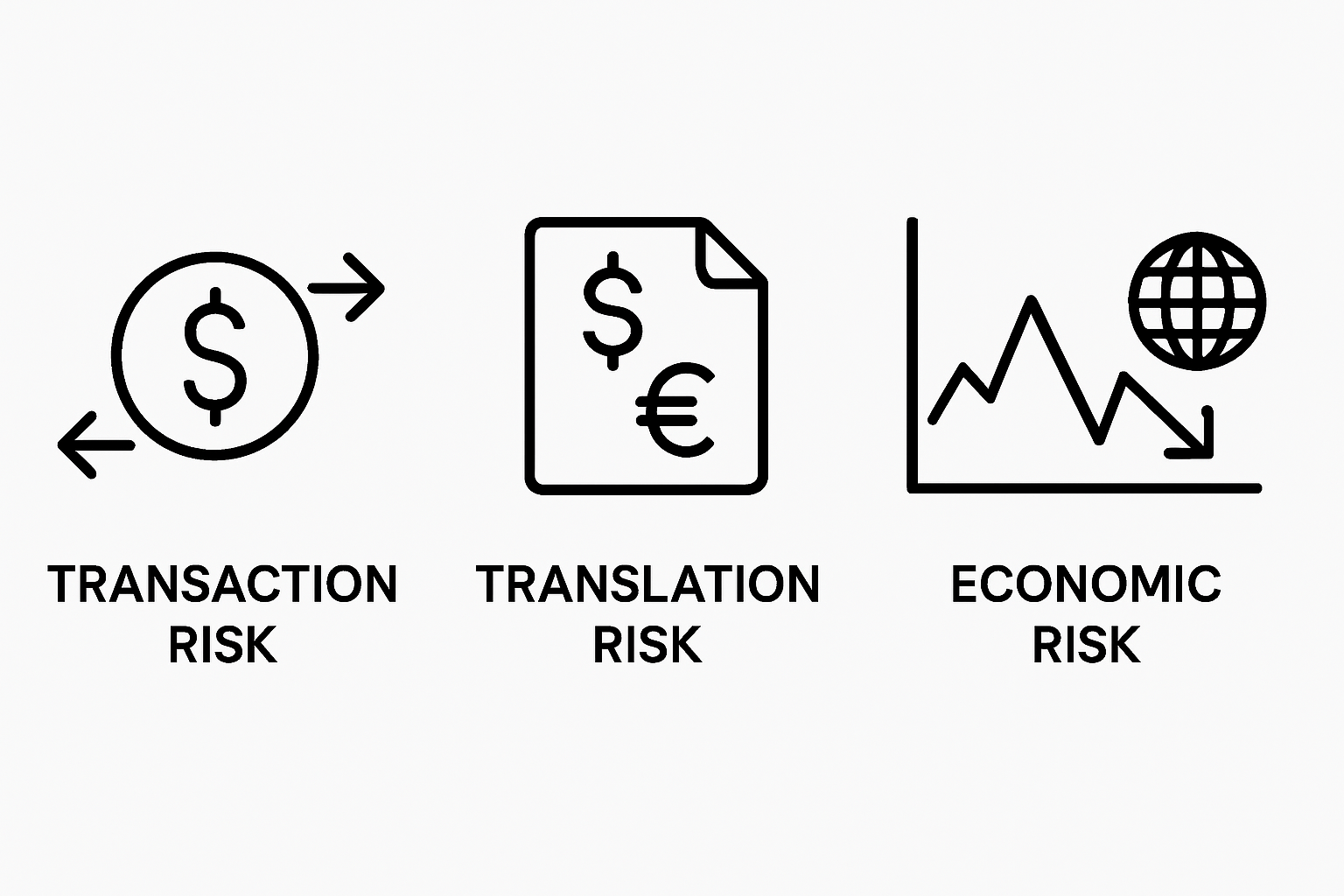
- Transaction Risk: Potential losses from exchange rate fluctuations between trade initiation and settlement
- Translation Risk: Risks associated with converting financial statements across different currencies
- Economic Risk: Long term potential for currency value changes impacting overall trading performance
Why Forex Risk Management Matters
Traders who neglect comprehensive risk management expose themselves to significant financial vulnerabilities. Currency markets move rapidly, with international economic conditions, geopolitical events, and monetary policies constantly influencing exchange rates. Without structured risk protocols, traders can experience sudden and substantial capital erosion.
The primary objectives of forex risk management include:
- Protecting trading capital from unexpected market movements
- Creating predictable and sustainable trading performance
- Developing disciplined approaches to financial decision making
Learn more about advanced trading strategies that can help traders implement robust risk management techniques and improve overall market performance.
Key Concepts in Forex Risk Management Explained
Forex risk management encompasses several critical concepts that traders must understand to navigate currency markets successfully. These fundamental principles form the foundation of strategic trading and financial protection.
Position Sizing and Capital Allocation
Position sizing represents a crucial strategy in managing trading risk. According to the International Monetary Fund, effective position sizing involves carefully determining the appropriate trade volume relative to total account capital. This approach helps traders:
- Limit potential losses on individual trades
- Prevent catastrophic account drawdowns
- Maintain consistent risk exposure across different market conditions
Risk Tolerance and Percentage Rules
Professional traders typically adhere to strict risk management percentage rules. The most widely adopted principle is risking no more than 1-2% of total trading capital on any single trade. This approach provides multiple benefits:
- Protects overall account balance from significant losses
- Creates a sustainable long term trading strategy
- Allows for multiple consecutive losing trades without account destruction
Hedging and Risk Mitigation Techniques
Hedging serves as a sophisticated risk management strategy where traders create offsetting positions to reduce potential market volatility impacts. Discover advanced trading protection methods that can help minimize unexpected market movements. Successful hedging involves:
- Understanding correlation between currency pairs
- Using derivative instruments like options and futures
- Implementing strategic stop loss and take profit mechanisms
By comprehensively understanding these key concepts, traders can develop robust forex risk management approaches that protect their investments and create more predictable trading outcomes.
Types of Risks in Forex Trading and Their Impacts
Forex trading involves navigating a complex landscape of potential financial risks that can significantly impact trading performance and investment outcomes. Understanding these risks is crucial for developing effective risk management strategies.
Market Risk: Volatility and Price Fluctuations
Market risk represents the fundamental uncertainty inherent in currency trading. According to the U.S. Securities and Exchange Commission, forex markets are characterized by rapid and unpredictable price movements driven by global economic conditions. These risks manifest through:
- Sudden exchange rate changes
- Geopolitical events affecting currency values
- Unexpected economic policy shifts
- Macroeconomic indicators impacting currency strength
Systemic and Operational Risks
Systemic risks emerge from broader economic and financial system vulnerabilities. These risks extend beyond individual trading decisions and can create widespread market disruptions. Key operational risks traders must consider include:
- Technology infrastructure failures
- Execution platform instabilities
- Broker counterparty risks
- Regulatory compliance challenges
Leverage and Financial Exposure Risks
Leverage introduces a complex dimension of risk in forex trading. Learn about advanced trading protection techniques that can help mitigate potential losses. Traders must carefully understand how leverage can amplify both potential gains and losses:
- Increased potential for rapid account depletion
- Magnified impact of small market movements
- Complex margin requirements
- Psychological pressures of high-stakes trading
By comprehensively understanding these risk types, traders can develop more nuanced and resilient forex trading strategies that protect their financial investments.
Below is a table summarizing the main types of risks in forex trading along with their key characteristics and potential impacts.
| Risk Type | Description | Potential Impact |
|---|---|---|
| Market Risk | Uncertainty from rapid and unpredictable price movements in currency markets | Sudden losses due to volatility |
| Systemic Risk | Broader economic and financial system vulnerabilities beyond individual control | Widespread disruptions, liquidity risk |
| Operational Risk | Failures in technology, platforms, or processes | Trade execution errors, data loss |
| Leverage Risk | Using borrowed capital to amplify positions | Magnified gains and losses |
| Financial Exposure Risk | High level of capital at risk in open positions | Rapid account depletion |
Strategies for Effective Forex Risk Management
Forex risk management requires a comprehensive and strategic approach that combines multiple techniques to protect trading capital and optimize potential returns. Successful traders develop multifaceted strategies that address various risk dimensions.
Stop Loss and Take Profit Mechanisms
Stop loss and take profit orders represent fundamental risk management tools. According to the Federal Reserve Bank of St. Louis, effective risk management involves understanding the balance between potential returns and potential losses. These mechanisms help traders:
- Automatically exit trades at predetermined price levels
- Limit potential losses during adverse market movements
- Lock in profits when specific price targets are reached
- Remove emotional decision making from trading
Diversification and Portfolio Balancing
Diversification is crucial in mitigating overall trading risk. By spreading investments across multiple currency pairs and trading strategies, traders can reduce the impact of individual trade performance. Key diversification strategies include:
- Trading uncorrelated currency pairs
- Balancing high risk and low risk trading positions
- Implementing different trading timeframes
- Using multiple trading strategies simultaneously
Advanced Risk Mitigation Techniques
Explore comprehensive risk management approaches that professional traders utilize to protect their investments. Advanced techniques involve sophisticated risk assessment and proactive management:
- Using options and futures for hedging
- Implementing algorithmic trading strategies
- Continuously monitoring market volatility indicators
- Developing adaptive risk assessment models
By integrating these strategies, traders can create a robust framework that protects against potential market uncertainties and supports consistent trading performance.
Here is a table outlining essential risk management strategies and the primary benefits each offers to forex traders.
| Strategy | Main Benefit |
|---|---|
| Stop Loss & Take Profit Mechanisms | Automated exits, limits losses, locks in profits |
| Diversification & Portfolio Balancing | Reduces impact of poor trades, spreads risk |
| Position Sizing | Limits losses on individual trades, prevents account drawdown |
| Hedging | Offsets adverse movements, reduces volatility impact |
| Advanced Risk Mitigation Techniques | Enhances protection, adapts to complex market scenarios |
| Emotional Control Practices | Reduces impulsive decisions, supports trading discipline |
The Role of Risk Management in Trading Psychology
Trading psychology represents a critical yet often overlooked component of successful forex trading. Risk management serves as the fundamental framework that helps traders maintain emotional stability and make rational decisions in high pressure market environments.
Emotional Control and Decision Making
Psychological resilience directly correlates with effective risk management strategies. Research on trading behavior demonstrates that traders who implement structured risk protocols are significantly more likely to maintain emotional equilibrium during market volatility. Key psychological benefits include:
- Reducing impulsive trading decisions
- Minimizing anxiety during market fluctuations
- Creating predictable trading performance
- Developing disciplined mental frameworks
Overcoming Cognitive Biases
Cognitive biases can systematically undermine trading performance. Risk management acts as a psychological safeguard against common mental traps that lead to poor decision making. Traders must recognize and counteract biases such as:
- Confirmation bias
- Loss aversion
- Overconfidence
- Herd mentality
- Anchoring effect
Building Psychological Resilience
Discover advanced mental strategies for traders that transform risk management from a technical process into a psychological strength. Developing psychological resilience involves:
- Creating predefined trading rules
- Practicing emotional detachment
- Maintaining consistent risk exposure
- Developing a growth mindset
- Accepting losses as learning opportunities
By understanding the intricate relationship between risk management and trading psychology, traders can develop a holistic approach that balances technical skills with mental fortitude.

Take Control of Your Forex Risk Management with FrankFX
Understanding concepts like position sizing, risk tolerance, and emotional control can change how you trade forever. If you have struggled with unpredictable losses or felt overwhelmed by the fast moves of the forex market, you are not alone. Every trader faces the challenge of protecting capital while trying to grow it. If you are ready to turn your risk management knowledge into a practical edge, FrankFX gives you proven solutions to conquer uncertainty.
Join our community and unlock resources created for traders who want real results. You get step-by-step education, daily forex signals, and powerful automated tools purpose-built to secure your trades. Take your skills to the next level with exclusive mentorship and live analysis or discover more about effective techniques on risk management in trading. Start building a safer and more confident trading strategy today. Visit FrankFX and experience a smarter way to manage risk, right now.
Frequently Asked Questions
What is forex risk management?
Forex risk management is a systematic approach used by traders to identify, assess, and minimize potential financial losses in currency trading. It aims to protect investment capital and support long-term trading sustainability.
Why is risk management important in forex trading?
Risk management is crucial because it helps protect trading capital from unexpected market movements, creates predictable trading performance, and fosters disciplined financial decision-making, reducing vulnerabilities associated with sudden market shifts.
What are the main types of risks in forex trading?
The main types of risks in forex trading include market risk (due to volatility and price fluctuations), systemic and operational risks (related to broader economic vulnerabilities), and leverage risks (which can amplify both gains and losses).
How can traders implement effective risk management strategies?
Traders can implement effective risk management strategies by using stop loss and take profit mechanisms, diversifying their portfolio, practicing proper position sizing, and applying advanced techniques like hedging and using derivative instruments.
Recommended
- Risk Management in Trading
- Forex Trading What Is It? Simple Guide for All Traders 2025
- Psychology of Forex Trading
- Understanding Major Forex Currency Pairs for Smarter Trading 2025
- Understanding Insurance for Remote Workers
- What is Freight Insurance? Understanding Its Importance
More resources: Browse the complete FrankFX Site Index for our full catalog of trading articles, free MT4/MT5 indicators, and Expert Advisors.