Swing trading is taking over for traders who want to move faster than investors but without the stress of constant day trading. Almost 60 percent of new swing traders lose money in their first year and the main reason is not wild market swings but their own lack of strategy and discipline. Most people think making big trades is about risky bets but the smartest swing traders actually keep each trade to just 1-2 percent of their capital and stick to strict rules. The real difference is mindset not luck.
Table of Contents
- What Is Swing Trading And How It Works
- Best Swing Trading Strategies For Beginners
- Choosing The Right Markets For Swing Trading
- Mistakes Beginners Make And How To Avoid Them
Quick Summary
| Takeaway | Explanation |
|---|---|
| Develop a solid trading strategy. | Effective swing trading requires a comprehensive approach combining technical analysis, risk management, and strategic decision-making. |
| Prioritize risk management techniques. | Protect your capital by limiting risk per trade to 1-2% and using stop-loss orders. |
| Identify key market trends. | Utilize moving averages and trend lines to determine market direction and select optimal entry points. |
| Understand support and resistance levels. | Recognize important price levels where assets tend to reverse to inform trading decisions. |
| Emotional discipline is crucial for success. | Avoid impulsive trading by sticking to a structured trading plan and clear entry and exit rules. |
What Is Swing Trading and How It Works
Swing trading represents a dynamic trading strategy that bridges the gap between day trading and long-term investing. Investopedia defines swing trading as a method aimed at capturing short to medium-term price movements in financial markets, typically holding positions for several days to weeks.
The Core Mechanics of Swing Trading
At its foundation, swing trading focuses on identifying and exploiting price momentum within financial markets. Traders utilizing this approach seek to capture gains from price changes or “swings” that occur over a period of days or weeks. Unlike day traders who execute multiple trades within a single trading session, swing traders maintain positions for a more extended timeframe.
The strategy requires a blend of technical and fundamental analysis. Traders carefully examine price charts, trend lines, and technical indicators to predict potential price movements. Schwab explains that technical analysis plays a crucial role in determining optimal entry and exit points for trades.
Risk Management and Strategic Approach
Successful swing trading demands robust risk management techniques. Traders must develop a comprehensive strategy that includes:
- Position Sizing: Carefully determining the amount of capital to invest in each trade
- Stop Loss Orders: Implementing protective mechanisms to limit potential losses
- Technical Analysis: Using chart patterns and indicators to make informed trading decisions
The Motley Fool highlights that while swing trading can be potentially profitable, it carries significant risks. Traders must be prepared for market volatility and potential short-term losses. The strategy requires a disciplined approach, combining market knowledge, technical skills, and emotional control.
Swing trading differs from other trading approaches by occupying a unique middle ground. It offers more flexibility than day trading, which requires constant market monitoring, while providing more active engagement than traditional long-term investing. Traders can potentially capitalize on market fluctuations without committing to extended holding periods or constant trading activity.
Key characteristics that define swing trading include:
- Holding positions for days to weeks
- Utilizing both technical and fundamental analysis
- Focusing on capturing shorter-term price movements
- Requiring less time commitment compared to day trading
Ultimately, swing trading demands a strategic mindset, continuous learning, and the ability to adapt to changing market conditions. Successful traders develop a deep understanding of market dynamics, technical indicators, and their own risk tolerance. It’s a skill that combines analytical thinking, market insight, and disciplined execution.
Best Swing Trading Strategies for Beginners
For beginners entering the world of swing trading, developing a solid strategy is crucial for sustainable success. GeeksforGeeks highlights that effective swing trading requires a comprehensive approach combining technical analysis, risk management, and strategic decision-making.
Trend Following Strategy
The trend following strategy represents a fundamental approach for beginners. This method involves identifying and trading in the direction of an established market trend. Traders observe price movements using moving averages, trend lines, and other technical indicators to determine market direction. SMB Training suggests that beginners should focus on catching significant price movements while avoiding short-term market noise.
Key components of trend following include:
- Identifying Market Direction: Using moving averages to determine overall trend
- Entry Points: Selecting optimal entry points during trend confirmations
- Stop Loss Protection: Implementing protective measures to minimize potential losses
Support and Resistance Trading
Support and resistance trading offers another powerful strategy for newcomers. This approach involves identifying price levels where securities tend to pause or reverse. International Day Trading Academy explains that traders can capitalize on predictable price behaviors by carefully analyzing chart patterns and historical price movements.
Successful support and resistance trading requires:
- Chart Pattern Recognition: Understanding key price levels
- Confirmation Indicators: Using multiple technical indicators for validation
- Risk Management: Setting precise entry and exit points
Beginners should practice identifying clear support and resistance zones, using tools like horizontal lines, trend channels, and pivot points. This strategy demands patience and careful observation of market dynamics.
Risk management remains paramount in swing trading. Traders must develop a disciplined approach to capital preservation, typically risking no more than 1-2% of their total trading capital on a single trade. This approach helps protect against significant losses while providing room for learning and growth.
Additional strategic considerations for beginners include:
- Maintaining a trading journal to track performance
- Continuously educating themselves about market dynamics
- Practicing with simulated trading accounts before committing real capital
- Developing emotional discipline and controlling trading psychology
Swing trading represents a nuanced approach that requires continuous learning and adaptation. Beginners should start with simple strategies, focus on consistent performance, and gradually expand their trading skills. The key is to develop a systematic approach that balances potential gains with measured risk management.
To help beginners understand the differences between two major swing trading strategies discussed, here is a comparison of Trend Following and Support & Resistance Trading methods:
| Strategy | Key Focus | Entry Points | Key Tools/Indicators | Risk Management Approach |
|---|---|---|---|---|
| Trend Following | Trading in the direction of market trend | During trend confirmation | Moving averages, trend lines | Stop loss at point of trend break |
| Support & Resistance Trading | Trading at reversal or pause price levels | Near well-defined support/resistance | Chart patterns, horizontal lines | Precise entry/exit at price levels |

Choosing the Right Markets for Swing Trading
Selecting appropriate markets is a critical component of successful swing trading. Investopedia highlights that swing trading can be applied across multiple financial instruments, including stocks, currencies, commodities, and cryptocurrencies, providing traders with diverse opportunities to develop their strategies.
Stock Market Considerations
Large-cap stocks represent an excellent starting point for swing traders. These securities typically offer high liquidity and predictable price movements, making them ideal for beginners. Traders should focus on stocks with consistent trading volumes and clear trend patterns. Key factors to consider include:
- Market Capitalization: Prioritizing stocks with substantial market value
- Trading Volume: Selecting securities with high daily trading activity
- Price Volatility: Identifying stocks with meaningful price fluctuations
Diversifying Across Financial Instruments
Successful swing traders understand the importance of market diversification. Trading experts recommend exploring multiple market segments to spread risk and maximize potential opportunities. Different financial instruments offer unique characteristics:
- Stocks: Provide opportunities for fundamental and technical analysis
- Forex: Offer 24-hour trading and high liquidity
- Cryptocurrencies: Present volatile markets with significant price movements
- Commodities: Enable trading across global resource markets
Each market segment requires specific knowledge and tailored trading approaches. Beginners should start by mastering one market before expanding their trading portfolio.
Risk management remains crucial when selecting trading markets. Traders must assess their individual risk tolerance, available capital, and technical analysis skills. Understanding market dynamics, tracking economic indicators, and maintaining a disciplined approach are essential for sustainable trading success.
Additional considerations for market selection include:
- Researching market correlation and interdependencies
- Monitoring global economic trends
- Understanding individual market regulations
- Evaluating personal time commitment and trading schedule
Technology has significantly simplified market access for swing traders. Modern trading platforms provide real-time data, advanced charting tools, and comprehensive market analysis, enabling traders to make informed decisions across multiple financial instruments.
Ultimately, successful market selection in swing trading requires continuous learning, adaptability, and a strategic approach. Traders should remain open to exploring new markets, refining their strategies, and developing a nuanced understanding of global financial dynamics.
Mistakes Beginners Make and How to Avoid Them
Swing trading presents numerous challenges for beginners, with potential pitfalls that can significantly impact trading performance. Charles Schwab highlights that understanding and avoiding common mistakes is crucial for long-term trading success.
Emotional Trading and Psychological Traps
One of the most critical challenges for new traders is managing emotional responses. Elearnmarkets warns that emotional decision-making can lead to impulsive trades and substantial financial losses. Beginners often struggle with:
- Fear-Driven Decisions: Panic selling during market fluctuations
- Greed-Motivated Trading: Holding positions too long to maximize gains
- Confirmation Bias: Seeking information that confirms existing beliefs
To overcome these psychological barriers, traders must develop a disciplined approach. This involves creating a structured trading plan, setting clear entry and exit rules, and maintaining emotional detachment from individual trades.
Poor Risk Management Strategies
LI Capital Trading emphasizes that inadequate risk management is a fundamental error for beginners. Effective risk management involves:
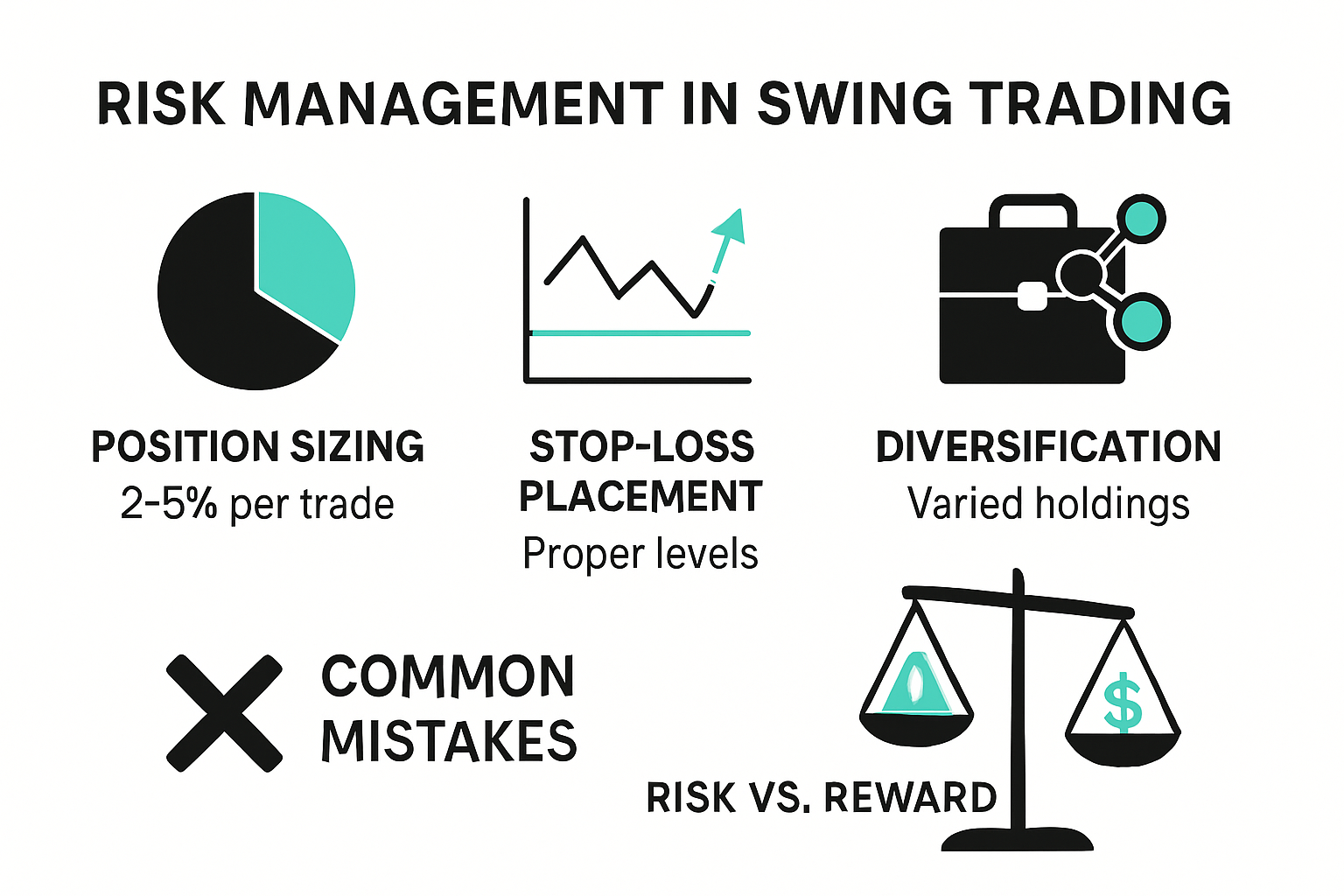
- Position Sizing: Limiting investment per trade to 1-2% of total capital
- Stop Loss Implementation: Setting predetermined exit points to minimize potential losses
- Diversification: Spreading investments across multiple markets and instruments
Beginners often make the mistake of risking too much capital on a single trade or failing to implement protective stop-loss orders. This approach can quickly deplete trading accounts and create significant financial stress.
Additional common mistakes that beginners should avoid include:
- Over-trading and attempting to force market opportunities
- Neglecting to develop a consistent trading strategy
- Failing to keep detailed trading records
- Ignoring market fundamentals and technical indicators
- Using excessive leverage without understanding associated risks
Education plays a crucial role in avoiding these pitfalls. Traders should invest time in continuous learning, practice with simulated trading accounts, and seek guidance from experienced traders. Understanding market dynamics, developing emotional discipline, and maintaining a systematic approach are key to overcoming initial challenges.
Technology can also help mitigate trading mistakes. Modern trading platforms offer advanced tools for risk management, including automated stop-loss settings, real-time market analysis, and performance tracking. Beginners should leverage these technologies to support their trading decisions and minimize human error.
Ultimately, success in swing trading comes from a combination of knowledge, discipline, and continuous improvement. Traders must view mistakes as learning opportunities, remain adaptable, and consistently refine their strategies. The most successful traders are those who can objectively analyze their performance, learn from errors, and maintain a disciplined approach to market engagement.
Here’s a summary checklist of common beginner mistakes in swing trading and recommended solutions to avoid them:
| Common Mistake | Example/Description | Recommended Solution |
|---|---|---|
| Emotional Trading | Fear-driven panic selling; greed in gains | Stick to trading plan and rules |
| Poor Risk Management | Risking too much per trade; no stop loss | Limit risk to 1-2% and use stop loss |
| Over-trading | Forcing trades without valid setup | Wait for clear signals only |
| No Consistent Strategy | Randomly changing trading methods | Develop and follow a set strategy |
| Not Keeping Records | No tracking of trades or performance | Maintain a detailed trading journal |
| Ignoring Analysis | Neglecting technical or fundamental cues | Base trades on sound analysis |
Frequently Asked Questions
What is swing trading?
Swing trading is a trading strategy that aims to capture short to medium-term price movements in financial markets, typically holding positions for several days to weeks.
How much capital should I risk in swing trading?
It’s recommended to limit each trade to 1-2% of your total capital to manage risk effectively and protect your investments.
What are some effective strategies for beginners in swing trading?
Beginners can start with strategies like trend following, which involves trading in the direction of the market trend, and support and resistance trading, which focuses on price levels where securities tend to pause or reverse.
How can I improve my emotional discipline while trading?
To enhance emotional discipline, create a structured trading plan with clear entry and exit rules, practice detachment from individual trades, and review your performance regularly to learn from decisions.
Tired of Guesswork in Swing Trading? Transform Your Strategy with Expert Support
Getting started with swing trading can be overwhelming. The article discusses how beginners often struggle with discipline, lack of clear strategies, and poor risk management. If identifying market trends, setting proper stop-loss orders, and developing emotional control are holding you back, you are not alone. Many traders miss opportunities due to uncertainty or lack of reliable signals. Imagine having clear market analysis, daily signals, and professional mentorship guiding each step you take.

Now is the time to leave uncertainty behind. Unlock your true trading potential with the FrankFX VIP memberships. Join a thriving community, gain access to live trading sessions, and use exclusive tools to make smarter decisions in real time. Do not just read about strategy—experience expert guidance and see fast results. Visit FrankFX today and take control of your trading journey.