Automated trading is changing the face of the financial world. Computers now handle over 70 percent of trading volume in US equity markets, making moves at speeds people cannot even imagine. Most assume this tech is only about speed and big numbers. The real surprise is what sits under the hood—precision algorithms that remove emotion, process huge data streams instantly, and make decisions with mathematical discipline most traders only dream of.
Table of Contents
- Defining Automated Trading: An Introduction
- The Importance of Automated Trading in Modern Markets
- How Automated Trading Systems Operate
- Key Components of Automated Trading Strategies
- Real-World Applications and Impacts of Automated Trading
Quick Summary
| Takeaway | Explanation |
|---|---|
| Automated trading enhances market efficiency. | These systems reduce transaction costs and increase trading speed, leading to improved market liquidity and operational smoothness. |
| Eliminate emotional trading decisions. | Automated systems rely on predefined rules, minimizing emotional interference and ensuring disciplined trading approaches. |
| Backtesting optimizes trading strategies. | Traders can backtest their strategies using historical data, refining their methods for better performance before live trading. |
| Real-time data processing is crucial. | Automated trading systems analyze vast amounts of market data in real time to identify trading opportunities swiftly. |
| Risk management is automated and precise. | These systems apply strict risk control measures, responding instantly to market changes and executing trades with precision. |
Defining Automated Trading: An Introduction
Automated trading represents a sophisticated approach to financial markets where computer algorithms execute trading decisions without direct human intervention. This technological strategy transforms how traders interact with financial markets by leveraging advanced computational systems to analyze market conditions, generate signals, and execute trades with precision and speed.
The Core Mechanism of Automated Trading
At its fundamental level, automated trading works by converting complex trading strategies into programmable instructions that computers can execute autonomously. These systems utilize predefined rules based on technical indicators, price movements, and statistical models to make instantaneous trading decisions.
Learn more about automated trading strategies that can help traders optimize their market performance.
The key components of an automated trading system typically include:
- Market Data Input: Real-time financial market information
- Trading Logic: Algorithmic rules defining entry and exit points
- Risk Management Parameters: Preset limits to control potential losses
- Execution Mechanism: Direct market access for trade placement
Understanding Algorithmic Precision
By removing emotional decision making, automated trading systems offer several critical advantages. These computational models can process vast amounts of market data within milliseconds, identifying trading opportunities faster than human traders.
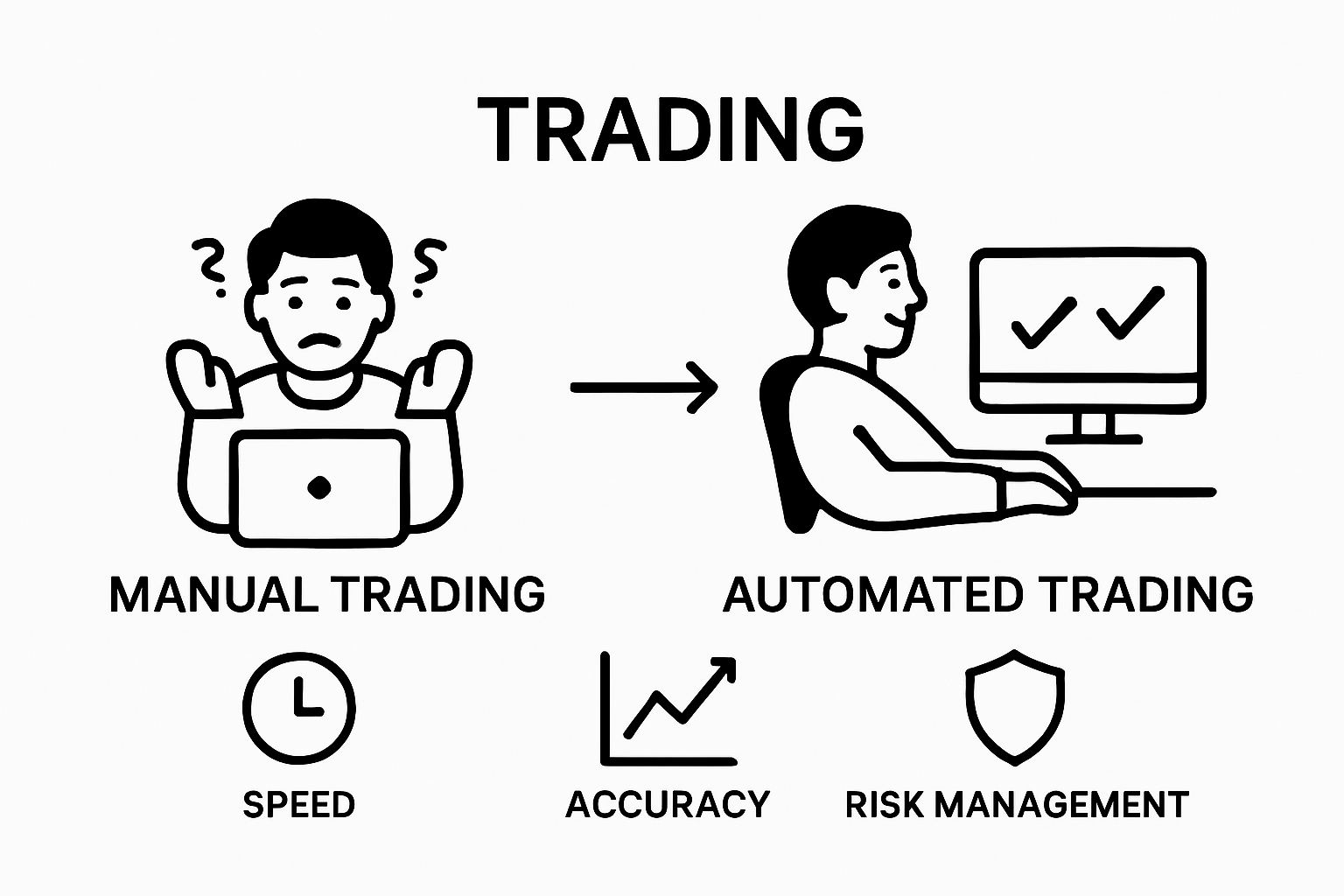 According to research from Harvard University, automated trading systems have demonstrated significant efficiency in executing complex trading strategies across multiple financial markets.
Traders leveraging these systems gain the ability to backtest strategies, implement consistent trading rules, and manage multiple market positions simultaneously. The technology enables rapid execution, minimizes human error, and provides a disciplined approach to trading that can potentially enhance overall investment performance.
The Importance of Automated Trading in Modern Markets
Automated trading has emerged as a transformative force in financial markets, revolutionizing how traders and investors approach investment strategies. By integrating advanced computational technologies, these systems have fundamentally reshaped market dynamics, offering unprecedented opportunities for precision and efficiency.
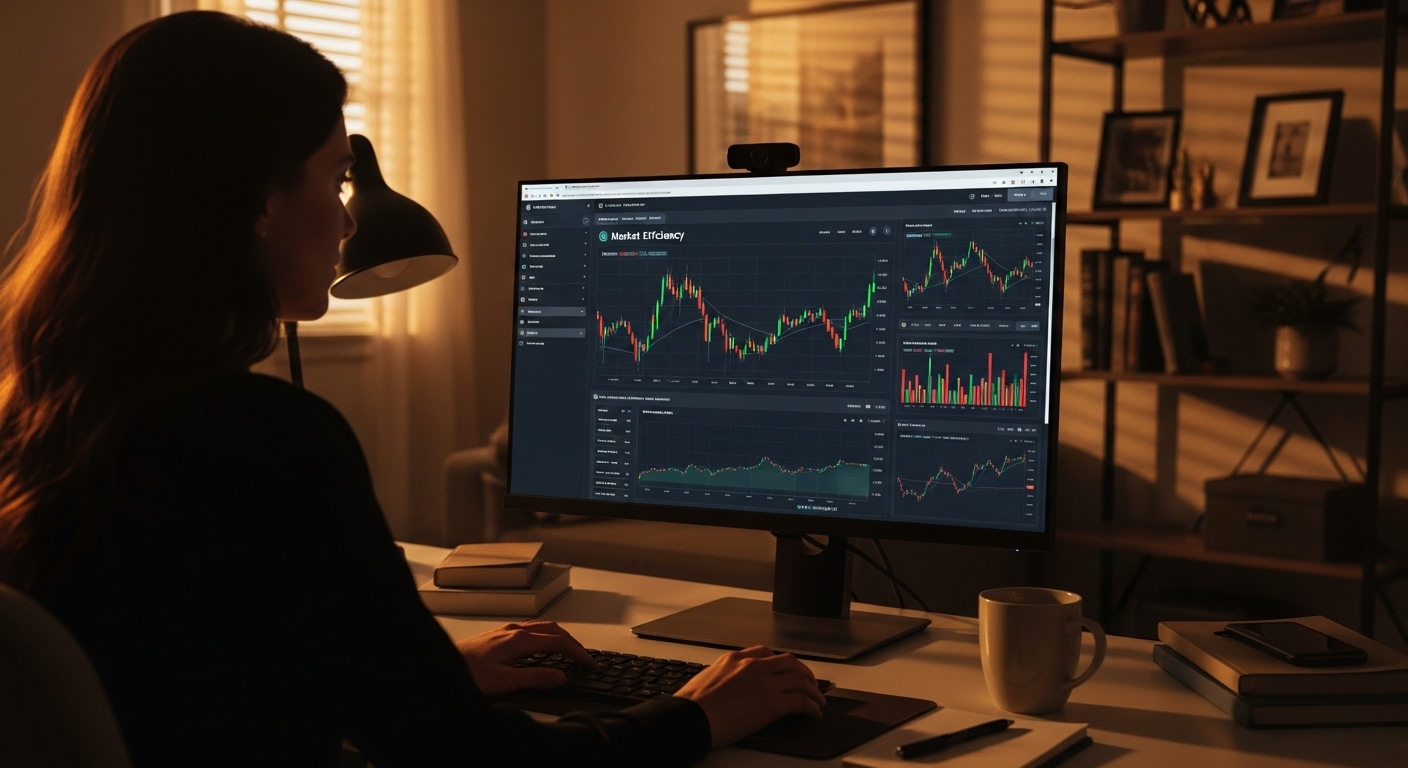
Market Efficiency and Liquidity Enhancement
Modern financial markets rely heavily on automated trading systems to maintain operational smoothness and market liquidity. Explore advanced technical analysis techniques that complement automated trading strategies. According to research from the International Monetary Fund, these systems can dramatically improve market efficiency by:
- Reducing transaction costs
- Increasing trading speed
- Minimizing human emotional interference
- Providing consistent market participation
Risk Management and Strategic Advantages
Automated trading systems represent more than technological innovation they are sophisticated risk management tools. By implementing predefined rules and computational logic, these systems can:
- Execute trades with mathematical precision
- Monitor multiple market indicators simultaneously
- Implement strict risk control mechanisms
- Respond instantly to market condition changes
Traders utilizing automated systems gain significant strategic advantages. The ability to backtest strategies, maintain disciplined trading approaches, and manage complex multi-asset portfolios becomes streamlined through computational intervention. These systems eliminate emotional decision making, replacing human unpredictability with calculated, data-driven trading actions that can potentially optimize investment outcomes.
How Automated Trading Systems Operate
Automated trading systems function as complex computational frameworks designed to execute trading strategies with minimal human intervention. These sophisticated platforms integrate multiple technological components to transform market data into actionable trading decisions, creating a seamless process of analysis, strategy implementation, and trade execution.
Below is a table summarizing the core components and their functions within an automated trading system for easier understanding of their technical architecture.
| Component | Function Description |
|---|---|
| Market Data Input | Feeds real-time financial information to the system |
| Trading Logic | Applies algorithmic rules for trade entry and exit |
| Risk Management Parameters | Implements preset controls to limit potential losses |
| Execution Mechanism | Executes trades directly on trading platforms |
| Data Acquisition Module | Collects real-time market data from multiple sources |
| Signal Generation Engine | Generates trading signals based on market analysis |
| Risk Management Layer | Applies risk controls during trading operations |
| Execution Interface | Places orders on trading platforms promptly |
Core Technological Architecture
The operational framework of automated trading systems relies on intricate algorithmic structures that process market information in real time. Explore our advanced AI trading solutions that demonstrate cutting-edge trading technology. According to deep learning research from computational finance experts, these systems typically encompass several critical technological layers:
- Data Acquisition Module: Collects real-time market data from multiple sources
- Signal Generation Engine: Analyzes market conditions and generates trading signals
- Risk Management Layer: Implements predefined risk control parameters
- Execution Interface: Connects directly with trading platforms for order placement
Algorithmic Decision Making Process
The decision making mechanism within automated trading systems represents a complex interplay of mathematical models and statistical analysis. These computational frameworks evaluate multiple market indicators simultaneously, generating trading decisions based on predefined rules and advanced predictive algorithms.
By leveraging machine learning techniques, modern automated trading systems can adapt and optimize their strategies dynamically. The computational models continuously analyze historical performance, adjust trading parameters, and refine their approach to maximize potential returns while maintaining strict risk management protocols. This adaptive capability distinguishes automated trading from traditional manual trading methods, offering a more systematic and data driven approach to financial markets.
Key Components of Automated Trading Strategies
Automated trading strategies represent sophisticated computational frameworks that transform complex market analysis into executable trading decisions. These strategies integrate multiple technological and analytical components to create robust, data driven trading approaches that can operate with minimal human intervention.
Strategic Design and Algorithm Construction
Learn more about technical analysis strategies that form the foundation of automated trading systems. According to research from Arizona State University, effective automated trading strategies require several critical design elements:
- Entry and Exit Rules: Precise mathematical conditions defining trade initiation and termination
- Risk Management Parameters: Predefined thresholds for potential losses and position sizing
- Market Condition Filters: Algorithmic rules that assess market volatility and trend conditions
- Performance Optimization Mechanisms: Continuous evaluation and adjustment of trading parameters
Data Processing and Signal Generation
The core of any successful automated trading strategy lies in its ability to process massive amounts of market data and generate actionable trading signals. Modern strategies leverage advanced machine learning techniques to create adaptive algorithms that can interpret complex market patterns and make rapid trading decisions.
These computational models analyze multiple market indicators simultaneously, including price movements, volume trends, technical indicators, and macroeconomic data. By integrating sophisticated statistical models and predictive algorithms, automated trading strategies can identify potential trading opportunities with a level of speed and precision that far exceeds traditional manual trading approaches. The systematic nature of these strategies ensures consistent execution based on objective mathematical criteria, eliminating emotional interference and maintaining disciplined trading principles.
Real-World Applications and Impacts of Automated Trading
Automated trading has transformed financial markets by introducing sophisticated computational strategies that fundamentally alter how trading decisions are processed and executed. These advanced systems have expanded far beyond theoretical concepts, becoming integral components of modern financial infrastructure across multiple market segments.
The table below outlines key real-world applications of automated trading systems and highlights the specific financial domains they impact.
| Application Area | Financial Domain Impacted |
|---|---|
| High-Frequency Trading | Equity and derivatives markets |
| Institutional Investment | Portfolio management and risk assessment |
| Cryptocurrency Markets | Trading across global digital asset platforms |
| Foreign Exchange Trading | Instantaneous international transactions |
| Market Efficiency | Reduced transaction costs, increased liquidity |
| Risk Management | Enhanced portfolio control and monitoring |
Market Participation and Institutional Applications
Explore trading strategies using moving averages that complement automated trading approaches. According to research from Duke University, automated trading systems demonstrate significant real-world impacts across various financial domains:
- High-Frequency Trading: Ultra-fast execution in equity and derivatives markets
- Institutional Investment Management: Portfolio optimization and risk assessment
- Cryptocurrency Markets: Continuous trading across global digital asset platforms
- Foreign Exchange Trading: Instantaneous international currency transactions
Economic and Market Efficiency Implications
The proliferation of automated trading systems has generated profound economic implications. These computational frameworks have dramatically reduced transaction costs, increased market liquidity, and enhanced overall trading efficiency. By eliminating human emotional interference and implementing rigorous mathematical models, automated systems provide a more objective approach to financial decision making.
Institutional investors, hedge funds, and investment banks have increasingly adopted these technologies to gain competitive advantages. The ability to process massive datasets, identify complex market patterns, and execute trades with unprecedented speed represents a transformative shift in financial market operations. These systems continuously analyze global economic indicators, news events, and market sentiment, enabling more responsive and adaptive trading strategies that can react to changing market conditions within milliseconds.
Ready to Turn Automated Trading Insights Into Real Results?
Understanding the basics of automated trading is powerful, but putting that knowledge into action is the real game changer. Have you ever felt overwhelmed trying to create your own algorithm or struggling to manage risk without the right tools? FrankFX bridges the gap between theory and practice, making algorithmic precision and strategic execution accessible for every trader.
Join a community where you can access real-time trading signals, proven automated tools, and expert mentorship. Discover how you can sharpen your strategies with advanced AI trading solutions or jump into live trading sessions and educational resources designed for forex and index traders. If you want hands-on support to put your knowledge into profitable practice, there has never been a better time to become part of FrankFX. Get started at FrankFX today and elevate your trading to the next level.
Frequently Asked Questions
What is automated trading?
Automated trading is a strategy where computer algorithms execute trading decisions without direct human involvement, using predefined rules and market data analysis to buy and sell assets.
How does automated trading work?
Automated trading works by converting trading strategies into programmable instructions that analyze market conditions, generate signals, and execute trades in real-time based on predefined parameters.
What are the benefits of using automated trading systems?
The benefits of automated trading systems include faster execution of trades, the ability to analyze vast amounts of data quickly, reduced emotional decision-making, and enhanced risk management through predefined rules and protocols.
Can automated trading improve trading performance?
Yes, automated trading can improve trading performance by allowing for consistent strategy implementation, rapid execution of trades, and disciplined risk management, potentially leading to better investment outcomes.
Recommended
- Automated Trading for Beginners: Easy Steps to Start Now 2025
- Technical Analysis for Beginners: Simple Strategies Explained 2025
- Technical Analysis Explained: A 2025 Guide for Traders and Investors 2025
- Trading With Moving Averages: A Simple Guide for All Traders 2025